Travelling to Europe is a dream for millions of people worldwide, but securing a Schengen visa has long been considered one of the most confusing and time-consuming parts of the journey. In 2026, major updates to the visa application process — including the introduction of ETIAS (European Travel Information and Authorisation System) and expanded use of digital systems — are set to transform how travellers apply for entry into the Schengen Area. These changes aim to make border control more secure, visa processing more efficient, and travel planning more predictable. Understanding what’s new and how these updates will affect you is essential for anyone planning European travel in the coming years.
What’s Changing in 2026? The Big Picture
The European Union is modernising its border systems with an emphasis on digitalisation, faster security checks, and better data sharing between member states. Two of the biggest shifts in 2026 include the rollout of ETIAS and the adoption of advanced digital tools for visa applications and entry/exit tracking.
The traditional process — filling out paper forms, visiting visa centres in person, and waiting for long processing times — is gradually giving way to streamlined, technology-driven methods that benefit both applicants and border authorities.
ETIAS: A New Travel Authorisation System
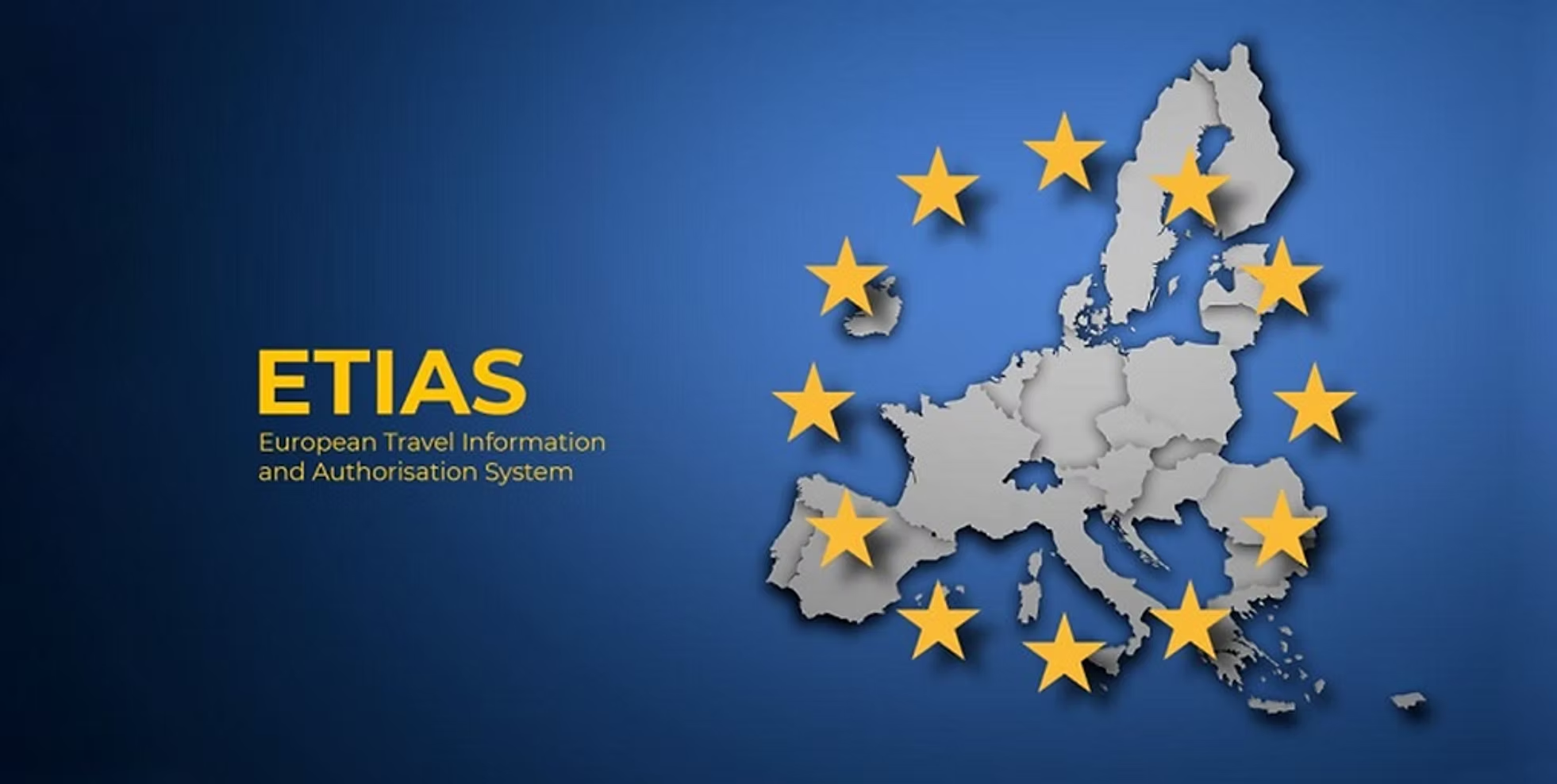
One of the most talked-about developments for 2026 is ETIAS. Although often confused with a visa, ETIAS isn’t a visa — it’s an electronic travel authorisation required for nationals from visa-exempt countries before entering the Schengen Zone. This applies to citizens of countries that previously did not need a visa to enter Europe for short stays (typically up to 90 days).
With ETIAS, travellers must complete a quick online application, pay a fee, and receive approval before departure. The authorisation will remain valid for multiple entries over a set period, allowing visitors to travel within Schengen countries without repeatedly applying for entry clearance. ETIAS aims to enhance security by screening travellers in advance and flagging potential risks before they arrive.
This additional layer means that travellers who previously enjoyed visa-free travel will now need to plan ahead and complete the ETIAS process online prior to their trip.
Digitalisation of the Schengen Visa Process

Beyond ETIAS, the overall Schengen visa application process is moving toward a digital first experience. Traditional paper forms and embassy visits are gradually being supplemented — and in some cases replaced — with secure online systems.
Under the updated procedures expected in 2026:
-
Applications can be submitted online, reducing time spent filling out paperwork manually.
-
Document uploads replace physical file submissions for many parts of the process, making it easier to keep records organised.
-
Tracking tools and status updates give applicants real-time visibility into their visa’s progress.
-
Centralised databases help consulates and border officials quickly access accurate information, improving processing efficiency.
These upgrades are designed to reduce human error, cut down on processing delays, and improve communication between visa applicants and authorities.
Biometrics & Entry/Exit System (EES)
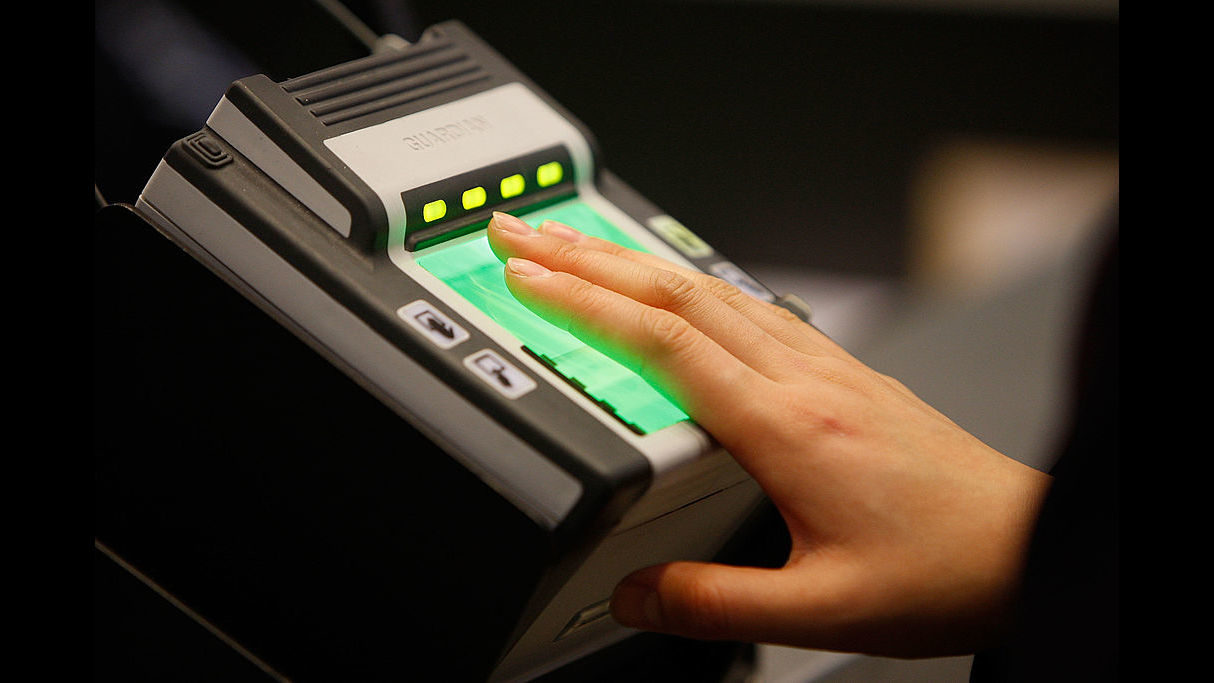
Another key change closely tied to the 2026 updates is the Entry/Exit System (EES). Under EES, traditional passport stamping is being replaced with biometric recording (facial recognition and fingerprints) at border entry and exit points. This system captures travellers’ data digitally to enhance border security, track irregular stays, and better manage visa compliance.
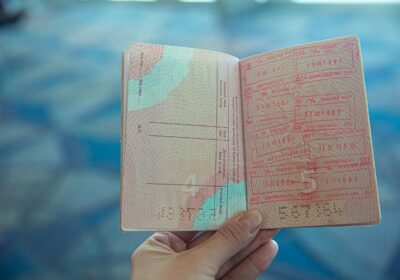
This means travellers will no longer receive physical stamps in their passports — instead, their biometric information will be recorded electronically when they enter or leave Schengen countries. For frequent travellers or those with complex itineraries, this can significantly reduce confusion and speed up border crossing procedures.
How the 2026 Process Will Work (Step-by-Step)
While details may vary slightly between embassies and consulates, here’s a general flow of how the modernised visa process will work in 2026:
-
Determine Eligibility: Depending on your nationality, determine whether you need a Schengen visa or an ETIAS authorisation.
-
Complete Online Forms: Fill out the main visa application or ETIAS form through an official digital portal.
-
Upload Documents: Provide digital copies of required documents, such as passport scans, travel insurance, financial statements, and itinerary.
-
Schedule Biometric Appointment: Attend an in-person appointment to submit biometric data if applying for a visa.
-
Track Your Application: Use online tools to monitor the status of your submission.
-
Receive Approval: Once approved, your Schengen visa or ETIAS authorisation will be stored digitally — travel with peace of mind knowing everything is linked to your passport.
-
Border Entry: Upon arrival, your biometric data will be verified under the EES.
ETIAS vs Schengen Visa: Understanding the Difference
It’s important to understand that ETIAS is not a replacement for a Schengen visa — it complements the system. ETIAS applies to travellers from visa-exempt countries who previously didn’t need a visa for short stays (typically tourism or business trips). A Schengen visa, on the other hand, is required for nationals of countries that do not have visa-free access.
Both authorisations require careful planning — but ETIAS is generally simpler and faster to obtain since it mainly involves automated screening rather than full consular review.
Odit Travels Schengen Visa Assistance — Expert Support for 2026
As visa systems become more digital and regulated, many travellers find it valuable to work with professionals who understand the nuances of the application process. Odit Travels is a Dubai-based travel and visa service provider offering expert support to individuals and families applying for Schengen visas and related travel authorisations.
Here’s how Odit Travels can help you navigate these changes seamlessly:
-
Comprehensive Visa Support: From checking your eligibility to preparing your complete application package, Odit Travels provides start-to-finish assistance.
-
Appointment Scheduling & Document Review: Their team helps secure embassy appointment slots and ensures all documents meet strict consulate requirements — especially important as digital submissions increase.
-
Tailored Itineraries & Cover Letters: A well-crafted travel plan and supportive documentation can make a major difference in visa success, and Odit team members help design these professionally.
-
Travel Insurance & Compliance: They also assist with travel insurance and proof of coverage, which remains a key Schengen requirement.
-
24/7 Assistance & Follow-Up: Whether you’re just starting your application or tracking approval, Odit Travels offers ongoing support so you stay informed every step of the way.
Working with experienced professionals like those at Odit Travels can significantly reduce stress — especially during peak travel seasons — and keep your application on track according to evolving rules.
Preparing for 2026: What You Should Do Now

To get ready for the updated visa procedures:
-
Plan ahead: Start your application early — ideally 90 days before travel — to accommodate any processing time.
-
Complete forms carefully: Errors or omissions can delay approvals.
-
Understand the requirements: Know whether you need ETIAS or a full visa based on your nationality and travel plans.
-
Consult experts: Working with a trusted visa service can help you adapt to changes and submit error-free applications.
Final Thoughts
The Schengen Area’s visa landscape is changing in 2026. From ETIAS authorisations to digital application systems and biometric entry checks, these updates are designed to improve security and make travel more efficient. While change can be daunting, preparation and expert guidance — like that offered by Odit Travels — can help you navigate the process confidently and enjoy your European trip without unnecessary stress.
Planning Europe Travel in 2026?
New ETIAS and Schengen visa rules are changing the process.
Let Odit Travels handle your visa documentation, appointments, and approvals with expert support.